
A septic system usually works quietly, out of sight and out of mind. You rely on it every day, yet most of the time, you only think about it when something goes wrong. The challenge is that septic issues rarely fail all at once. Small problems grow slowly, often between service visits, and by the time you notice soggy ground or a backed-up toilet, the fix is already expensive and disruptive.
In this blog, we will explain why scheduled inspections alone leave gaps, how the remote septic monitoring system keeps a constant watch on your system, and how that added visibility helps you avoid sudden failures, stressful repairs, and surprise bills.
Why Scheduled Inspections Alone Are Not Enough
Below are the main reasons septic problems slip through even when your system is under regular maintenance.
Septic Issues Do Not Follow Inspection Schedules
Most septic systems receive professional inspections two or three times a year. During those visits, everything may appear fine, with the pumps cycling correctly, no alarms, and no visible signs of trouble.
Then weeks later, something changes. A pump starts running longer than it should. A float in the tank gets stuck. A filter begins to clog. None of this waits for the next scheduled visit.
Problems often appear randomly or are undetectable to the naked eye. If those problems are not caught during an inspection, they go unnoticed until it is too late.
Inspections Show Moments, Not Patterns
A technician can only see how your system behaves during a brief window. That snapshot does not show how often a pump cycles each day, how long it runs, or how those numbers change over time. Many failures build through patterns, not single events.
Without ongoing visibility, signs of overload, wear, or stress stay hidden until the system reacts in a noticeable and often costly way.
How Continuous Monitoring Changes Septic Ownership
At its core, monitoring offers visibility. It can reduce major service calls, damage to septic components and drain fields, and lower the likelihood of ever experiencing the dreaded septic backup. Most importantly, it brings peace of mind, since you are no longer constantly wondering if something is wrong underground.
Have Eyes on Your System Always
Remote septic monitoring system fills the long gaps between routine inspections. Rather than relying on a few checkups each year, your system remains visible every day. Septilink brings this approach into everyday ownership by tracking pump activity, aerator performance, power status, and alarms, then sharing that information through a mobile app. You see what is happening as it happens, not after something fails.
This ongoing visibility allows service providers to review performance whenever needed, even when they are not physically on-site. Maintenance becomes an ongoing process instead of a reaction to sudden problems.
Problems Appear as Patterns, Not Emergencies
Septic failures rarely begin with a dramatic backup. They usually start with subtle shifts, such as a pump running longer than normal, cycle counts slowly increasing, or power interruptions becoming more frequent. These changes can be easily overlooked during occasional inspections because they develop gradually over time.
By tracking these patterns continuously, Septilink helps surface early warning signs before damage spreads. Alerts give you time to schedule service while the issue is still manageable, rather than dealing with urgent repairs or system shutdowns.
Early Awareness That Limits Repairs and Disruption
When electrical stress builds or a component starts drifting from normal operation, a red light and buzzer are usually not far behind. Real-time alerts let you contact a service provider early, which often means a simple adjustment instead of a major repair.
For many homeowners, this early notice makes the difference between a routine service visit and a stressful emergency.
Over time, this steady feedback supports longer system life, fewer disruptions, and lower ownership costs. You spend less time worrying about what might go wrong and more time trusting that problems will be caught before they affect your home.
How Septilink Fits Into Everyday Septic Ownership
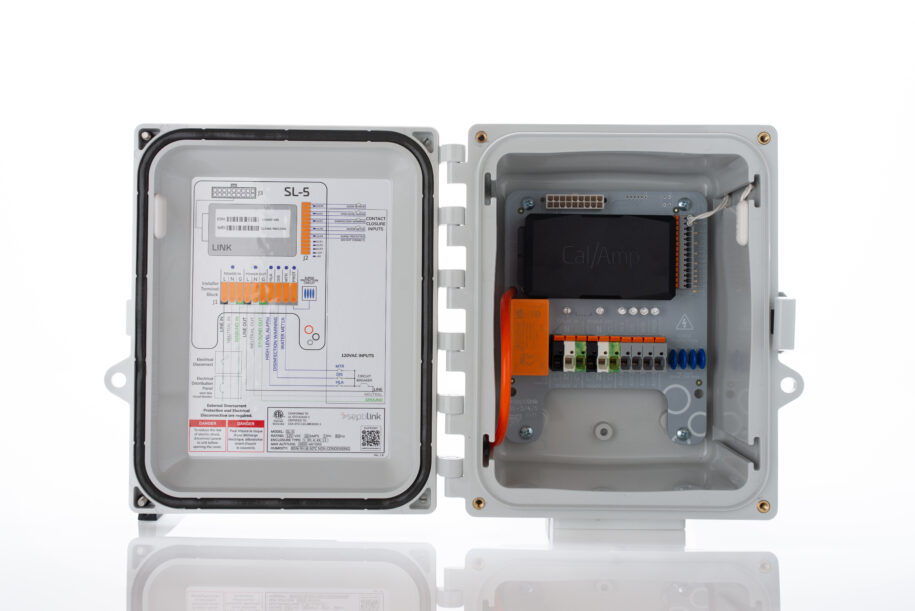
We utilize the SL-5, a non-intrusive monitoring device that bridges the gap between your septic control panel and your smartphone. Unlike traditional passive alarms that only beep when disaster strikes, Septilink tracks trends. By monitoring pump run-times and cycle counts, the system identifies electrical deterioration or hydraulic overloads weeks before a backup occurs.
Monitoring works best when paired with a skilled technician with access to the data. It gives you and them an accurate history of pump cycles, power use, and aerator performance, so you know when something starts drifting from normal.
With this steady feedback, you can plan maintenance before problems spread, protect the drain field, and avoid sudden backups or expensive repairs.
Conclusion
A septic system does not fail all at once. It sends signals long before trouble reaches the surface. A septic monitoring system gives you the ability to see those signals and respond early, rather than dealing with the aftermath.
For homeowners, this means fewer emergencies, steadier costs, and a better daily experience at home. As septic care continues to move toward data-driven decisions, monitoring becomes a natural extension of responsible ownership.
If you want a clearer view of how your system performs between inspections, you can learn more about Septilink and its monitoring solution on our website.
Does monitoring replace regular septic pumping?
No. Monitoring does not replace pumping or inspections, but it helps you catch small problems early so you can plan service on your schedule and avoid unexpected repairs. A healthier septic system, especially systems with advanced treatment units, will last longer and need less pumping if it is maintained properly.
Is this helpful for seasonal homes?
Yes. You can monitor your septic system even when you’re away, giving you confidence that your system is working properly and reducing the risk of surprises when you return. The SL-5 will even let you know when the system loses power.
Can the system warn me about clogs?
Yes. The system alerts you if something is off with pump operation or drain flow. These early warnings can help you fix minor clogs before they turn into backups or costly repairs.
Does it work with older septic systems?
Yes. Septilink works with most older systems. Check out the installation documentation if you are unsure, or talk with a qualified septic technician. Older systems rely on real-time monitoring just as much, if not more than new systems.
What should I do when I get an alert?
Contact your septic service provider promptly. A good service provider will be able to understand the alert and the system history to determine the correct remedial steps. Early action prevents small issues from becoming emergencies, keeping your home and system safe while reducing repair costs.
Leave a Reply